The 12:58 Club: A Week Chasing Supermarket Yellow Stickers on a Lunch Break
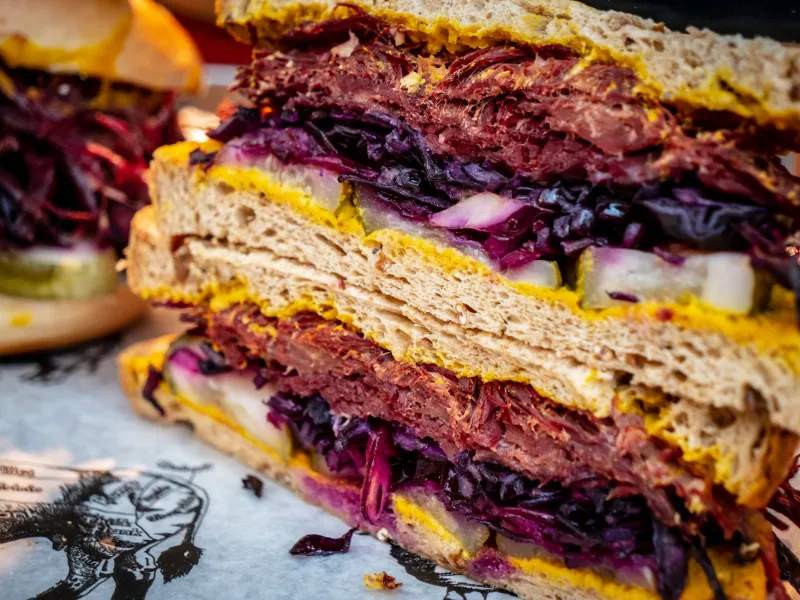
There is a particular look on a colleague's face at 12:57. It is not hunger. It is strategy. They are not going to lunch; they are going sticker shopping. The reduced shelf is not charity. It is a race with clingfilm, and the prize is a £2 sandwich that was £4.25 twenty minutes ago.
For one working week in November 2026, I spent my lunch break doing the same. Not to clear the shelf, not to build a bunker of cut-price sushi, but to map the yellow sticker hour properly. Which supermarket lunch counters are worth waiting for at 1pm? When do the stickers actually land? And can you build a decent £4 lunch without loitering by the fridge like a Victorian ghost?
Here is what five days of stopwatch shopping taught me.
The test: five days, five shops, one stopwatch
The rules were simple. Five city-centre supermarkets within a ten-minute walk of my desk. One lunch break each. A £5 ceiling, a phone stopwatch, and a firm promise not to buy anything I would not actually eat at my desk. I noted the first yellow sticker I saw, the time the lunch-friendly stuff appeared, what had already gone, and what the final reduction looked like.
This is not a national survey. Supermarket reductions vary by branch, by manager, by how much stock is left and by whether the person with the sticker gun is on their break. Treat the timings below as a rough tide table, not a train timetable. Still, the patterns were clear enough to be useful.
When the stickers actually appear
The first thing to know: there is no single 1pm klaxon. Reductions tend to arrive in waves. Bakery and some chilled items often start earlier. Sandwiches, wraps and salads can be marked down as the lunch rush fades. Further reductions may appear early to mid-afternoon. At 1pm, you are often catching the second wave, not the first.
In the branches I tried, the lunch window looked roughly like this:
- Tesco Express: sandwiches and salads began appearing around 12:40 to 1:20. The best pickings were just after 1pm, once the office crowd had taken the obvious meal deals.
- Sainsbury's Local: sandwiches and bakery items moved around 12:30 to 1:10. The reduced bakery section was often the better value, especially for soup dunking.
- Co-op Food: chilled items and bakery appeared around 12:45 to 1:30. Ready meals dropped later, which is less useful at lunch and more useful if you have a microwave and no shame.
- M&S Food: sandwiches and salads were reduced around 12:20 to 1:00, but the good stuff went quickly. This was the most competitive shelf of the week.
- Morrisons: fresh counter and chilled items appeared closer to 12:50 to 1:40. Hot counter reductions were less predictable and often later, so do not build your lunch hour around them unless you know your local store's rhythm.
Which counters drop first
Bakery is usually the early mover. Bread, rolls, pastries and the odd sad doughnut get stickered before the sandwich fridge becomes interesting. Then come the chilled sandwiches, wraps and salads. Sushi, where it exists, can go either way: sometimes early, sometimes ignored until mid-afternoon. Hot counters and ready meals tend to be later and less lunch-friendly for desk workers without a microwave.
At 1pm, the sandwich aisle is the main event. That is also where the etiquette matters most.
The £4 blueprint that actually works
A yellow sticker is not a licence to buy three versions of the same beige lunch. The best £4 desk lunch is built, not grabbed.
Start with one reduced main: a sandwich, wrap or salad in the £1.50 to £2.50 range. Add one reduced side or bakery item for around 50p to £1. Then spend the rest on something fresh — an apple, a banana, a yoghurt, a bag of tomatoes if you are feeling virtuous. If your office has a kettle, a reduced soup or pot of noodles can turn a sad sandwich into an actual lunch.
My best combination of the week was a reduced chicken salad wrap, a reduced cheese twist and an apple from the normal shelf. Total: £3.85. It held me until dinner. My worst was a reduced sushi box that looked like it had been through a minor earthquake. Total: £2.20. It held me until 2:15pm.
The lesson: buy the reduced lunch you actually want. A 60p bargain you eat out of obligation is not a bargain. It is a punishment with a sticker on it.
Etiquette for the one o'clock scrum
Reduced shelves bring out a strange energy in otherwise reasonable office workers. Here is the firm but fair rulebook.
Do not loiter by the fridge. Browse once, step back, let other people in. Hovering with your basket against the glass is not a personality.
Do not block the aisle with your bag and your phone. You are not the main character of the chilled section.
Take one or two, not the lot. If there are six reduced sandwiches and you take five, you are not clever. You are the reason people write angry posts about office fridges.
Do not peel or swap stickers. This should not need saying. It does.
Do not ask staff to check out the back during the lunch rush. They are busy. Reductions are a task, not a treasure hunt you have commissioned.
Pay promptly. Once you have chosen, move to the till. The reduced shelf is not a library.
Be kind to the staff. The person with the sticker gun is doing a job under time pressure. A quick thank-you goes further than a lecture about the price of a prawn mayo sandwich.
The verdict: worth waiting for?
Yes, sometimes. The yellow sticker hour is worth a one-off recon trip to learn your local store's rhythm. It is worth flexing lunch by fifteen minutes if you are already nearby. It is not worth sprinting across town every day, and it is definitely not worth being unpleasant to a shop assistant over a 90p sausage roll.
The best strategy is opportunistic, not obsessive. Know which shop reduces when, arrive just after the first wave, build a balanced £4 lunch, and leave the shelf in a state that does not look like a fox has been at it. The 12:58 Club is a useful club to visit. It is a terrible club to join permanently.