What Survives the Bag: Eight Supermarket Meal Deals, Ranked for the Commute
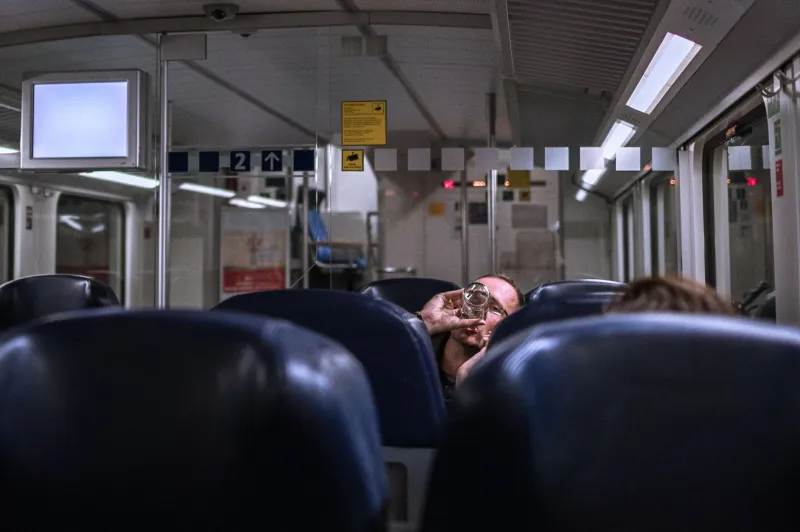
There is a moment, somewhere around 12:40, when you reach into your bag and realise the meal deal you chose so confidently at 8:15 has become a rumour. The sandwich is warm. The crisps sound like a maraca. The drink has leaked onto a jumper you quite liked. You eat it anyway, because you are hungry and the alternative is a £9 salad from the place with the laminated menus.
Meal deals are almost always judged at the shelf: price, variety, whether the good crisps are in stock. But the real test happens between the till and your mouth. So we bought eight of them, packed them identically, and sent them on the three commutes that ruin lunch most often.
How we tested
Eight retailers: Tesco, Sainsbury's, Asda, Morrisons, Co-op, Boots, M&S and Waitrose. Where possible we bought the same shape of lunch — a chicken or cheese sandwich, a bag of ready-salted crisps, a bottle of water — then added a chocolate bar only where the deal demanded it. Most deals now sit between £4 and £5, with M&S and Waitrose at the top end.
Each bag went on one of three routes:
- The Tube crush. Twenty-five minutes standing on a Northern line service, bag wedged between feet, then fifteen minutes walking with the bag on one shoulder.
- The cycle. An eighteen-minute ride with the lunch in a rucksack, plus a further twenty minutes of walking and stairs.
- The desk drawer. Bought at 8:40, stored under a coat and a refillable bottle until 1pm.
We scored four things out of ten: squish factor (how much the sandwich had been reshaped), crisp integrity (packet survival and whether you got shards or whole crisps), sogginess (moisture migration from filling to bread), and 1pm employability — would you carry this through an open-plan office without hiding it?
The headline results
| Retailer | Squish | Crisps | Sogginess | Employability | Overall |
|---|---|---|---|---|---|
| M&S | 8 | 7 | 8 | 9 | 8.0 |
| Waitrose | 8 | 7 | 8 | 9 | 8.0 |
| Co-op | 7 | 8 | 7 | 8 | 7.5 |
| Tesco | 7 | 6 | 7 | 7 | 6.8 |
| Sainsbury's | 7 | 5 | 7 | 7 | 6.5 |
| Boots | 6 | 7 | 6 | 6 | 6.3 |
| Morrisons | 5 | 4 | 5 | 4 | 4.5 |
| Asda | 5 | 4 | 5 | 4 | 4.5 |
Numbers only tell you so much. The interesting part is why.
The ones that arrive looking employable
M&S wins on packaging as much as produce. The sandwich sits in a rigid cardboard wedge that behaves like a tiny suitcase, so the bread keeps its shape even when the bag does not. The crisps are the weak point — a standard bag, not a tub — but the sandwich is the bit people see. At 1pm it still looked like something you had chosen rather than something that had happened to you. Best for the cycle, where the rigid wedge absorbs vibration rather than transmitting it to the filling.
Waitrose is the same story with a quieter font. The sandwich is tightly packed, the filling is not sloppy, and the bread has enough structure to survive being leaned on. It is the most expensive lunch in the test and the least likely to embarrass you in a lift. If you are carrying a laptop, a gym kit and a lunch, this is the one that will not add to the chaos.
Co-op is the surprise package. Its sandwich is less glamorous but the crisps arrive intact more often than anyone else's, largely because the bag is slightly stiffer and the packet is positioned away from the drink. If your commute involves standing with a bag between your feet, this is the one to beat. The chocolate bar also survived without becoming a fossil.
The middle of the pack
Tesco does a solid all-round job. The sandwich is firm enough, the crisps take a moderate beating, and nothing leaks. It is the lunch equivalent of a reliable colleague: not exciting, never a disaster. The issue is the drink bottle, which is tall and tends to become the heaviest object in the bag, pressing down on everything else.
Sainsbury's has the best sandwich of the mid-tier group and the worst crisps. The packet is thin, and by 1pm you are dealing with seasoned dust. If you are going to buy this one, move the crisps to the top of your bag and accept that you are eating them with a spoon.
Boots is built for people who forgot lunch and are buying it at 12:15, not 8:15. The sandwich is fine, the snack selection is genuinely good, but the packaging is not designed for a bag. It is the classic desk-drawer lunch: acceptable if it never moves, disappointing if it does.
The ones that need a fork and forgiveness
Morrisons and Asda both suffered from the same problem: soft bread, generous filling, and a plastic triangle that offers little protection. By the time we opened them, the sandwiches had the silhouette of a beanbag. The crisps were mostly broken. The chocolate had melted into the wrapper. None of this makes them bad value — they are the cheapest in the test — but they are lunches to eat immediately, not to carry across a city.
Winners by commute
- Packed train, standing room only: Co-op. The crisps survive, which is the thing you will notice first.
- Cycling: M&S. The rigid wedge is the closest thing to suspension a sandwich gets.
- Desk drawer: Sainsbury's. Buy it at 8:40, put it in the drawer flat, and move the crisps to your monitor stand.
What we learned
Three things, none of them revolutionary. First, the crisps are always the casualty; a tub of snack nuts or a cereal bar is the smarter swap if your bag gets thrown around. Second, rigid cardboard beats flimsy plastic every time — the wedge is doing more work than the sandwich. Third, put the drink at the bottom of the bag and the sandwich on top, ideally inside a second bag or a jacket pocket. It sounds fussy. It is the difference between a lunch and a lesson.
The meal deal is not really about the £4. It is about the forty minutes between buying it and eating it. Choose for the journey, not the shelf, and 1pm stops being a gamble.