Surprise, It’s a Croissant: What Ten Too Good To Go Bags Did to Our Lunch Breaks
Too Good To Go is brilliant at the idea of lunch and slightly chaotic at the reality of it. The pitch is simple: pay a few quid, rescue food, collect in a narrow window, discover what you’ve bought when you open the bag at your desk. For office workers, that is either a small adventure or a hostage situation involving a lukewarm pasty.
We spent a fortnight in November ordering ten bags around the £4 mark from bakeries, cafés and supermarkets in Leeds, Manchester, Cardiff and London. Every bag was collected on a lunch break and eaten at a desk, because that is where most of us actually eat. We scored each one on value, desk-friendliness and whether it held us until dinner. This is not a scientific study. It is a crumb audit with receipts.
The rules of the desk test
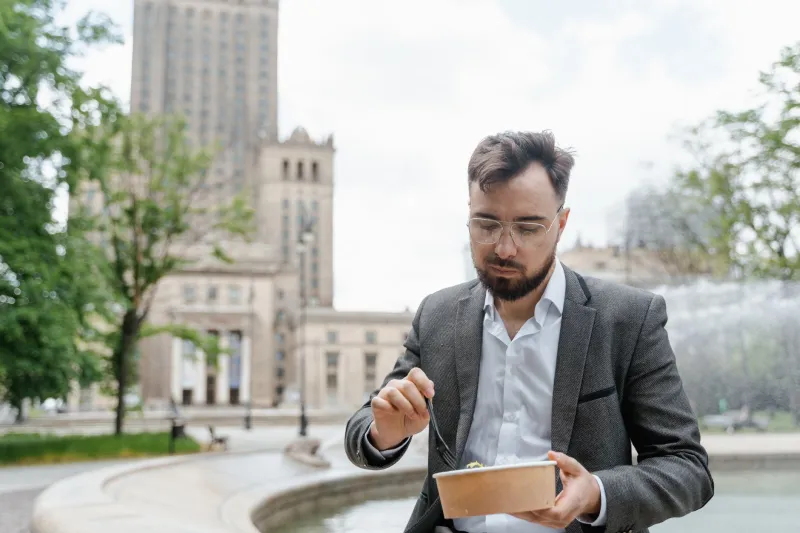
We kept the variables boring. One bag per day, collected within the app’s window, carried back in a rucksack or paper bag. No reheating unless the office microwave was free and the food was designed for it. Desk-friendliness meant: can you eat it with one hand while answering a message, does it dust your keyboard, and will a colleague ask what died? Staying power was judged honestly, by whether we were raiding the biscuit tin at 4pm.
The first thing to say is that the app’s value story is real. Almost every bag cleared £4 of food by a wide margin. The second thing is that value is not the same as lunch. A bag can contain £12 of bread and still leave you hollow at 2:30pm.
What actually turns up
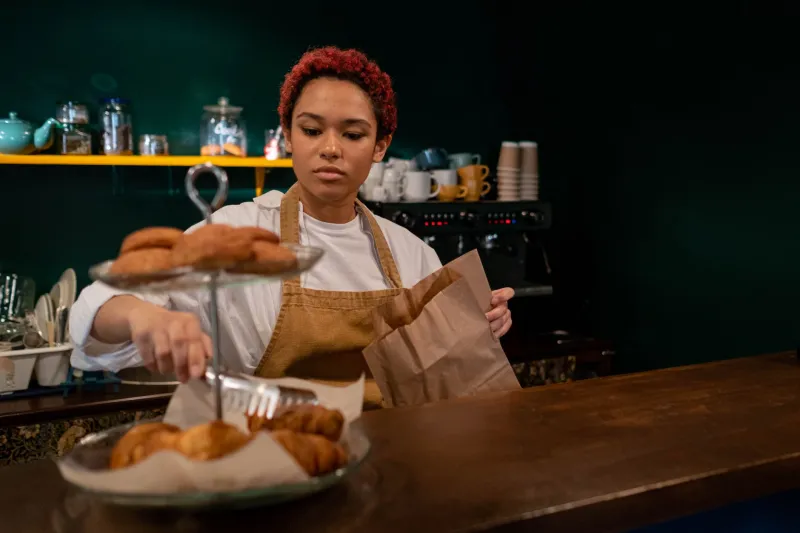
Bakery bags were the most reliable and the least lunch-like. Think croissants, pain au chocolat, focaccia, a lonely cinnamon bun. Great if you are the sort of person who can call pastry a meal. Less great when you need protein and a chair that does not smell of icing sugar. Café bags were the wildcard: sometimes a proper sandwich and a side, sometimes a tub of soup with no spoon and a slice of cake that had clearly been through a difficult morning.
Supermarket bags were the most practical. They tended to include sandwiches, salads, fruit and the occasional yogurt, which is exactly what a desk lunch wants. They were also the least exciting, which is fine. Excitement is overrated when you have a 1pm call.
The desk-friendliness test
Pastries are quiet but messy. Sandwiches are tidy but can be sad. Soup is a desk hazard unless you have a deep mug and a forgiving keyboard. One bag contained a wedge of quiche, which was delicious and completely impossible to eat elegantly while typing. Another had a baguette so long it needed its own diary invite.
The smell question matters more than people admit. A bakery bag makes you popular for about ten minutes, then the whole floor smells like a warm Greggs and someone opens a window. Supermarket sushi is fine. Anything with hot cheese is a statement.
The staying-power league
The bags that held us until dinner were not the biggest. They were the ones with a mix: a sandwich, a piece of fruit, something with fibre, maybe a yogurt. A bag of four cakes is a lovely gift and a terrible lunch. The best bags felt like someone had accidentally packed you a picnic. The worst felt like a flour delivery.
Ten bags, in brief
- Leeds, bakery: two croissants, a focaccia square and a brownie. Huge value, zero savoury lunch. 6/10.
- Manchester, café: chicken sandwich, soup, flapjack. Needed a spoon; excellent otherwise. 8/10.
- Cardiff, supermarket: sandwich, crisps, fruit, yogurt. Dull, dependable, gone by 1:15. 7/10.
- London, bakery: sourdough loaf and pastries. Great for the team, useless as a solo lunch. 5/10.
- Leeds, café: quiche and salad. Delicious, impossible to eat at a keyboard. 6/10.
- Manchester, supermarket: sushi, fruit, juice. Desk-friendly and actually filling. 8/10.
- Cardiff, bakery: four pastries and a bagel. The bagel saved it. 6/10.
- London, café: pasta tub and cake. Microwave needed; smell risk high. 7/10.
- Leeds, supermarket: salad, wrap, yogurt. Sensible, slightly joyless. 7/10.
- Manchester, bakery: two sandwiches and a cinnamon bun. The surprise winner. 9/10.
Those scores are not a ranking of the app. They are a ranking of a lunch break. A 9/10 bag is one you would happily eat again; a 5/10 bag is one you photograph for the group chat and then quietly share.
The hidden costs
The obvious cost is time. Collection windows are narrow, and the good bags go fast. If your lunch hour is already squeezed, a 20-minute walk each way is not a bargain; it is a second job. The second cost is choice. You do not order a lunch; you accept a mystery. That is fine if you are flexible, less fine if you have allergies, a small appetite or a deep hatred of raisins.
Then there is the social cost. Opening a mystery bag at your desk attracts colleagues the way a birthday cake does. You will be asked to explain the app, and then asked why you are eating a whole baguette at 11:45am.
How to play it
Treat Too Good To Go as a useful high-street tool, not a lunch strategy. Check the collection window before you commit. Pick bags from places whose normal food you already like. Keep a fork, spoon and napkin in your desk drawer. And if the bag is mostly bread, accept that you have bought bread, not lunch. The app is good at rescuing food. It is not your personal meal planner.
Would we do it again? Yes, but not every day. The £4 gamble is fun once a week, especially when the office fridge is empty and the alternative is a £7 sandwich with a side of regret. Just do not expect the magic bag to know you need protein.